
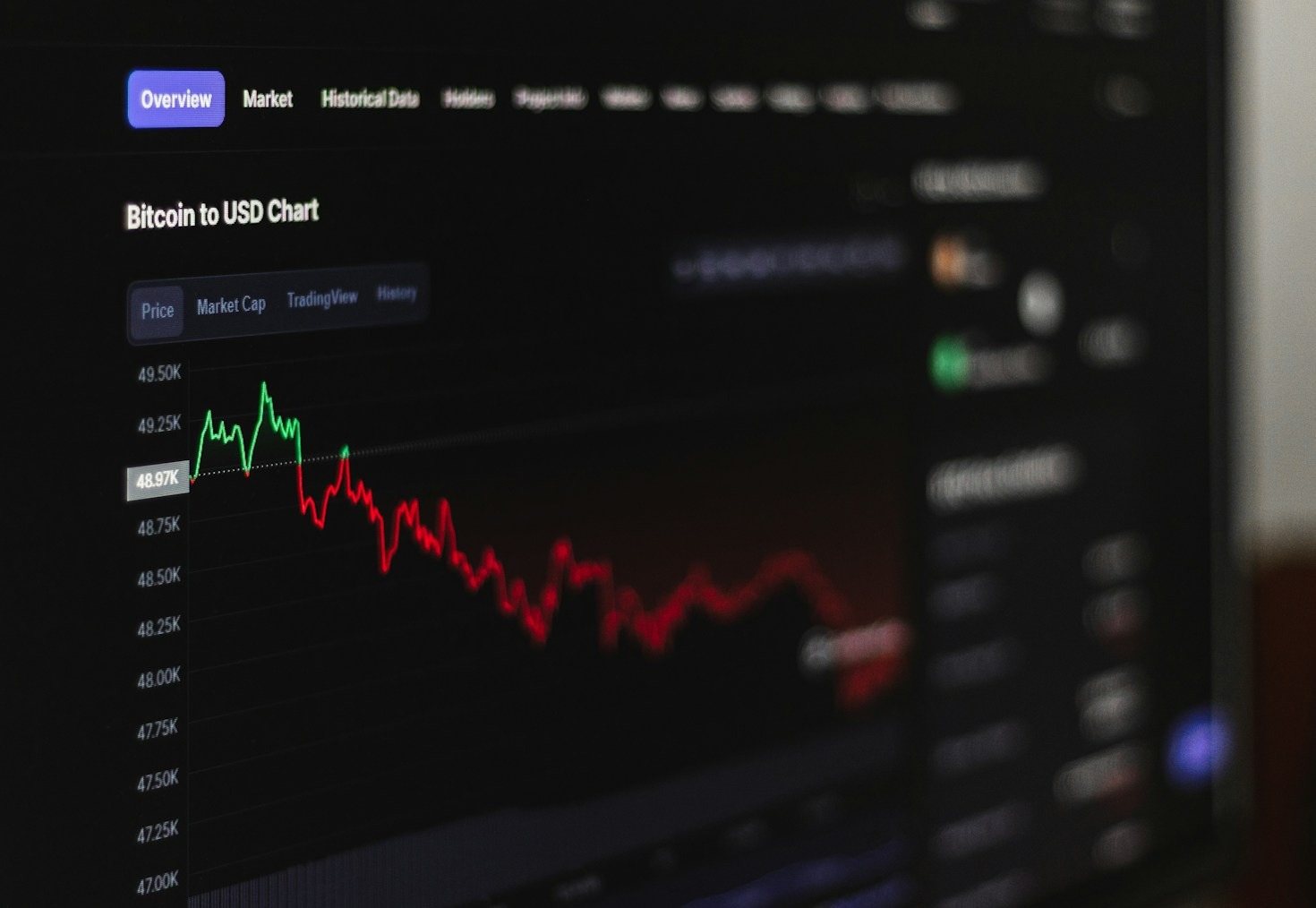
Global financial markets are more interconnected than ever before. A policy shift in one country, economic data from another, or geopolitical tension across continents can instantly influence currencies, commodities, and indices worldwide. In this fast-paced environment, success belongs to traders who rely on data—not guesswork.
At Fxotary, data-driven strategies form the foundation of smarter, more consistent trading decisions across global markets.
Why Data Matters in Global Trading
Global markets operate 24 hours a day, reacting continuously to:
- Central bank policy decisions
- Inflation and employment reports
- GDP releases
- Political developments
- International trade dynamics
Without structured analysis, this constant flow of information can feel overwhelming. Data-driven strategies help traders filter noise, identify patterns, and act with clarity.
The Core Components of Data-Driven Trading
1. Economic Indicators and Macroeconomic Analysis
Understanding key economic metrics is essential. Interest rates, inflation trends, and labor market performance often determine currency strength. Traders who track these indicators can anticipate long-term trends rather than reacting after markets move.
2. Technical Data and Market Structure
Price action leaves clues. Historical price data, chart patterns, support and resistance levels, and technical indicators reveal behavioral patterns in the market. Combining macro insights with technical confirmation strengthens trade probability.
3. Sentiment Analysis
Market sentiment reflects how participants collectively feel about risk. Data such as positioning reports and volatility indexes can help traders understand whether markets are overbought, oversold, or poised for reversal.
4. Risk Metrics and Performance Analytics
A true data-driven approach doesn’t stop at entry points. Tracking win rates, risk-reward ratios, drawdowns, and overall portfolio exposure ensures long-term sustainability.
Applying Data Across Global Markets
Currency Markets
Forex traders analyze interest rate differentials, central bank commentary, and global capital flows to identify opportunities in major and emerging currency pairs.
Commodities
Commodity prices often respond to supply-demand data, inventory reports, and geopolitical developments.
Indices and Equities
Stock markets react to earnings data, economic growth forecasts, and sector performance metrics.
By integrating cross-market data, traders can spot correlations and diversify strategies effectively.
The Role of Technology in Data Analysis
Modern trading platforms make it possible to process vast amounts of information in real time. Advanced charting systems, automated alerts, and predictive analytics allow traders to respond quickly and confidently.
Fxotary simplifies complex global data streams into structured insights, enabling traders to:
- Identify emerging trends early
- Confirm trade setups with multi-layered analysis
- Avoid emotionally driven decisions
- Adapt to rapidly changing conditions
From Information to Strategy
Data alone is not enough—it must be translated into action. A successful data-driven strategy typically includes:
- Clear entry and exit criteria
- Defined risk management rules
- Continuous performance review
- Ongoing adaptation to market conditions
Consistency comes from disciplined execution, not isolated wins.
Building a Global Trading Edge
In global markets, uncertainty is inevitable—but randomness is optional. Traders who embrace structured analysis gain a measurable advantage. By combining macroeconomic awareness, technical precision, and disciplined risk management, data becomes a powerful ally.
With the right tools, insights, and analytical framework, global markets become less intimidating and more strategic.
Harness the power of data. Trade with precision. Navigate global markets with confidence.
Leave a Reply